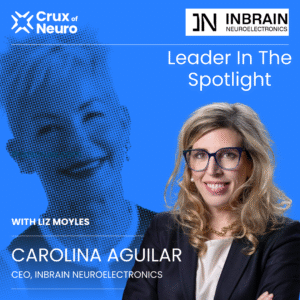
LEADER IN THE SPOTLIGHT: CAROLINA AGUILAR
I am delighted to launch “Leader in the Spotlight- Neurotech” with a person who I don’t just admire, but who I like immensely; Carolina Aguilar, CEO of INBRAIN Neuroelectronics. Like me, she is Spanish, and I am so proud of her role in our ecosystem.
Carolina is a rare kind of leader.
It’s a given, that she is an exceptional operator and an inspiring CEO, but, for me what truly sets her apart is her unwavering commitment to ensuring that rapid innovation in neurotechnology never comes at the expense of ethics, regulation, or patient safety.
In a field moving as fast as neurotech, this mindset matters deeply, to many, and Carolina is one of the loudest voices in this space, fighting to ensure this is forefront and uppermost, acknowledging that at present, regulation is lagging behind the sheer pace of innovation.
We have one chance to get this right-one wrong move, and the space could be damaged, if not irreparably, quite fundamentally. This new emerging neurotech space, involving, Brain Computer Interfaces, BCIs, AI, and its many associated systems, has the potentially to change lives for the better. However, public acceptance, trust, fear will play a large part to the extent to which this potential is realised. Carolina recognises this.
She needs little introduction but deserves to be given it.
Early Career
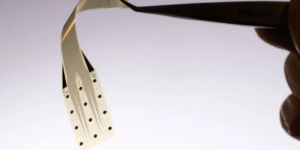
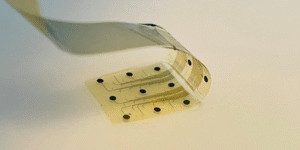
As CEO of INBRAIN Neuroelectronics, she leads a clinical-stage neurotechnology company developing graphene-based BCI therapies designed to deliver adaptive, precision neuromodulation for neurological conditions including Parkinson’s disease, epilepsy, and stroke recovery.
She originally studied Pharmacy in Spain before going to the USA where she undertook various executive and business programs focused on leadership, business strategy, and innovation.
She had always been fascinated by the brain, and it was during her time in research in the US, that she became inspired to change people’s lives, especially those affected by neurological disorders such as Parkinson’s disease.
She joined Medtronic, where she headed up neural interface programs in deep brain stimulation (DBS) spanning neuromodulation and diabetes.
The Next Chapter
She was in healthcare for 20 years before she met Jose A. Garrido, Kostas Kostarelos and Antón Guimerà the founders of INBRAIN Neuroelectronics. Their concept for the company came out of nanoscience and materials research, working with graphene and neural interfaces at The Catalan Institute of Nanoscience and Nanotechnology (ICN2). They believed they were onto something and pitched their idea to many investors.
They needed a leader to help take the technology beyond research, and Carolina was introduced to them by the VC.
The rest is history-it seemed to be fate. She joined as co-founder and CEO. The magic began!
Since then the company has won numerous accolades for innovation including “Most Innovative Company of the Year”, receiving the “Norrsken IMPACT 100 Award” and “Most Innovative Company”, by Spanish Media -El Periódico- a prestigious National accolade.
She herself has been named Best Chief Executive Officer, by the European Investment Bank (EIB) in November 2025, at the EIBG Summit for Women Leaders in Life Sciences, in recognition of her leadership and strategic vision in neurotechnology.
A hard act to follow, for sure, she is proud that INBRAIN Neuroelectronic holds such recognition but her passion to help change the life of people, affected by neurological disorders is her driver.
A CONVERSATION WITH CAROLINA:
Over Christmas and The New Year, I asked Carolina a number of questions about how she defines success for herself and her team, how she sees the MedTech landscape evolving, and why execution and collaboration will define the next phase of neuro innovation.
Liz: “Hi Carolina and thanks for your time. Whilst I have you, I’d love to know, by the end of 2026, what will success look like for you and your team? What would you like to have achieved by 31st December 2026?”
Carolina: “By the year end, success will mean three things to us. Continuing to deliver measurable clinical impact for patients, demonstrating graphene superiority versus standard of care; Achieving key regulatory and reimbursement milestones and continuing to build the capability to scale globally. In short, our success will be evidenced by continuing to turn breakthrough science into accessible healthcare solutions.”
Liz: “And what trends do you think we will see shaping MedTech over the year?”
Carolina: “I anticipate we will see AI moving from pilots into core clinical workflows. I believe there will be a broader acceptance of neurotechnology and minimally invasive BCIs, and that we will see an expansion of surgical robotics and connected care happening over this period. I also believe there will be an accelerated adoption of neuromodulation, particularly across the APAC and EMEA markets.”
Liz: “The last few years have been challenging in terms of fund-raising for many, not just founders but also investors. Accepting the fact, we have no crystal ball to work with- what funding trends do you anticipate?”
Carolina: “I think funding will increasingly favour big ambition paired with capital efficiency and strong therapeutic evidence. There will be fewer, larger investments and they will focus on technologies with clear clinical value, regulatory clarity, and reimbursement pathways. I think investors will show a continued strong interest in AI-driven solutions and advanced manufacturing, particularly where they support technology sovereignty.”
Liz: “I believe in community and collaboration, and I fundamentally think we are missing out on potentially huge, untapped opportunities, by not working together as effectively as we could in our MedTech start-up ecosystem work together. What is your thought on this?”
Carolina: ” I agree. We as start-ups can be a greater force for reckoning and gain momentum by overcoming shared challenges. Some areas could be sharing regulatory expertise and co-developing technologies, advocating collectively for reimbursement and market access. Collaboration will be essential to scaling innovation responsibly- particularly pertinent now.”
Thanks Carolina!
Closing reflections
Carolina’s perspective is a powerful reminder that the future of neurotechnology will be defined not just by scientific breakthroughs, but by disciplined execution, thoughtful collaboration, and an unwavering focus on patients.
Thank you, Carolina, for sharing your insights and for setting such a high bar for leadership in this space. I look forward to catching up with you throughout and at the end of 2026, to explore what has happened.
About the author

Liz is our Principal Consultant at Cruxx, covering neurotechnology markets. She works globally in the MedTech space, building impactful teams and headhunting unique talent for start-ups pushing the frontiers of medical innovation and technology. From R&D, clinical and regulatory to C-suite and Board level, Liz is exceptional at sourcing visionary, talented individuals for our clients across Europe and the US.